Wallabe Sky


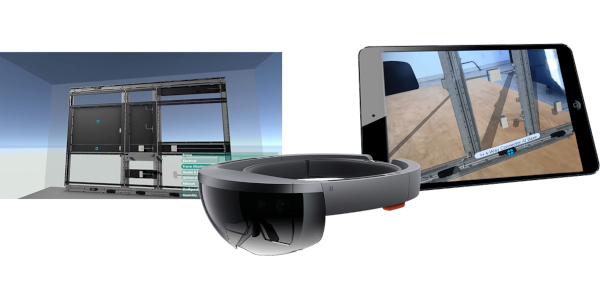
Shipped one codebase to three very different runtimes — HoloLens, ARKit, and WebGL — letting Neumatic Digital's customers preview customizable furniture in their own space on any of them.
Project Overview →
Senior Software Engineer & Technical Lead
Real-Time Systems • AI • Scalable Solutions
I take ambiguous, technically demanding problems from first investigation through production — across real-time systems, AI integration, and infrastructure — and build solutions that scale.
Open To New Opportunities
NYC, New York
I'm a Senior Software Engineer and Technical Lead who builds practical, scalable solutions to real business problems.
My background is rooted in real-time 3D, Unity, C++, C#, XR, and immersive technology, but I'm not defined by a particular engine, platform, or domain. I approach engineering pragmatically: understand the problem, identify the constraints that matter, choose the right technology, and get a reliable solution into people's hands.
I've worked across client architecture, AI integration, real-time communication, developer tooling, CI/CD, systems integration, and production infrastructure. I'm comfortable moving between unfamiliar problems, collaborating across disciplines, and taking projects from early prototypes through production and scale.
I do my best work in fast-moving environments where engineers are expected to take ownership, make sound technical decisions, and turn ambiguous business needs into systems that are maintainable, scalable, and useful.
Designing systems that scale from early prototype through production, with maintainability built in from the start.
Game engines, WebRTC streaming, audio and video pipelines, networking, and low-latency application design.
LLMs, speech-to-text, text-to-speech, conversational AI, and production AI pipelines running under real-time constraints.
CI/CD, automation, internal tooling, debugging, and observability for fast-moving engineering teams.
Architecture decisions, mentoring, cross-functional collaboration, and end-to-end project ownership.
Case studies from my most recent roles — architecting AI systems at Mursion, and leading the Unity SDK at Leia Inc.


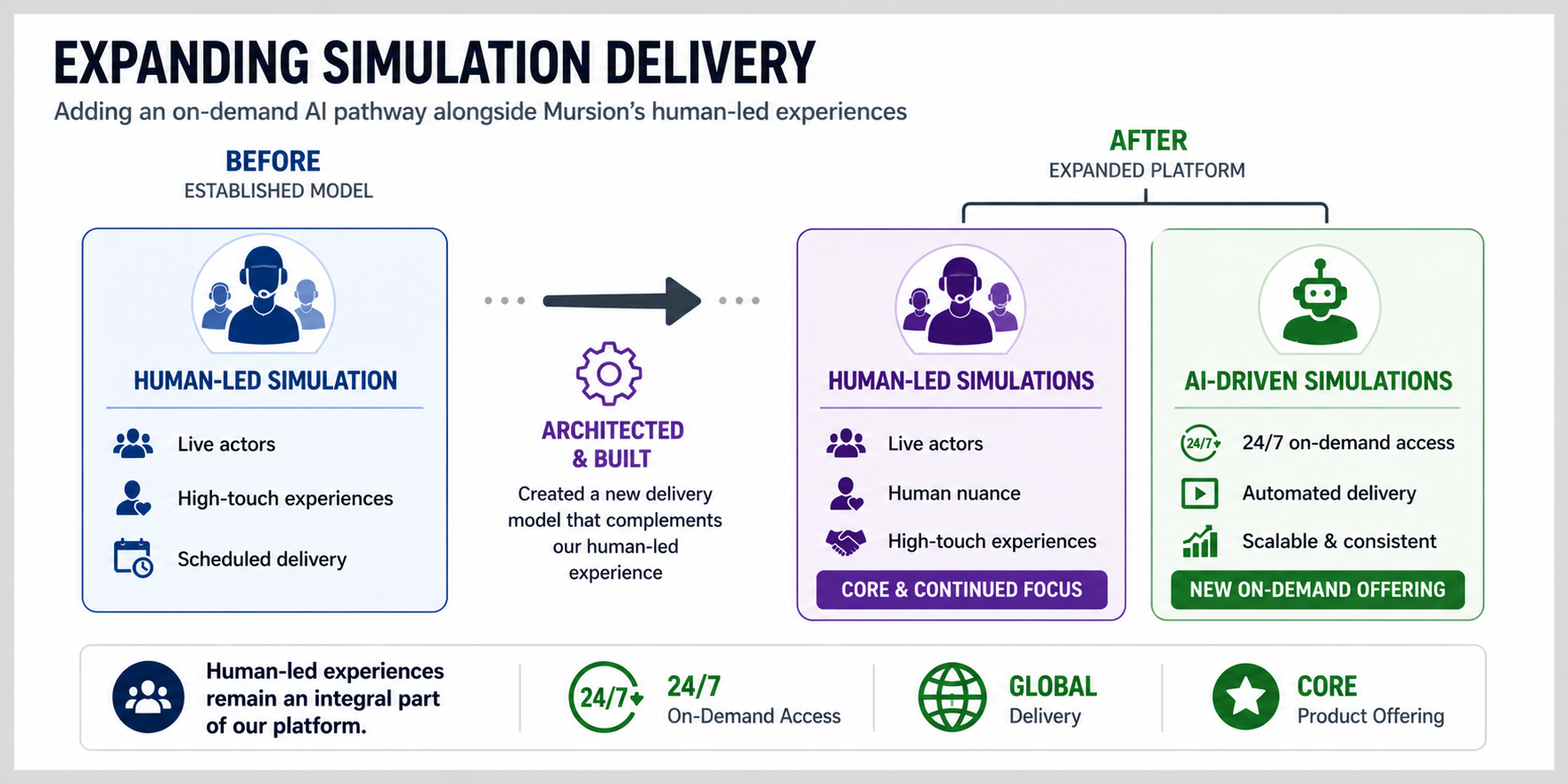
Mursion's simulation platform was built entirely around live, human-led sessions. To expand into true 24/7 on-demand delivery, the business needed an architecture that could run realistic simulations autonomously — without displacing the existing human-led product.
The experience had to stay responsive enough to feel conversational, integrate with existing 3D avatar and scenario content, and ship alongside a live product the business still depended on.
Working closely with an AI engineer, I architected and built the integration layer that connects Deepgram speech-to-text, OpenAI reasoning, ElevenLabs voice synthesis, automated simulation logic, and responsive 3D avatars into one production system. I led the technical work required to run that pipeline at low enough latency to operate without a live facilitator.
Created a new 24/7 delivery model alongside Mursion's human-led simulations. AI simulations became the standard experience used in sales demonstrations and grew into a core product offering delivered to customers globally.

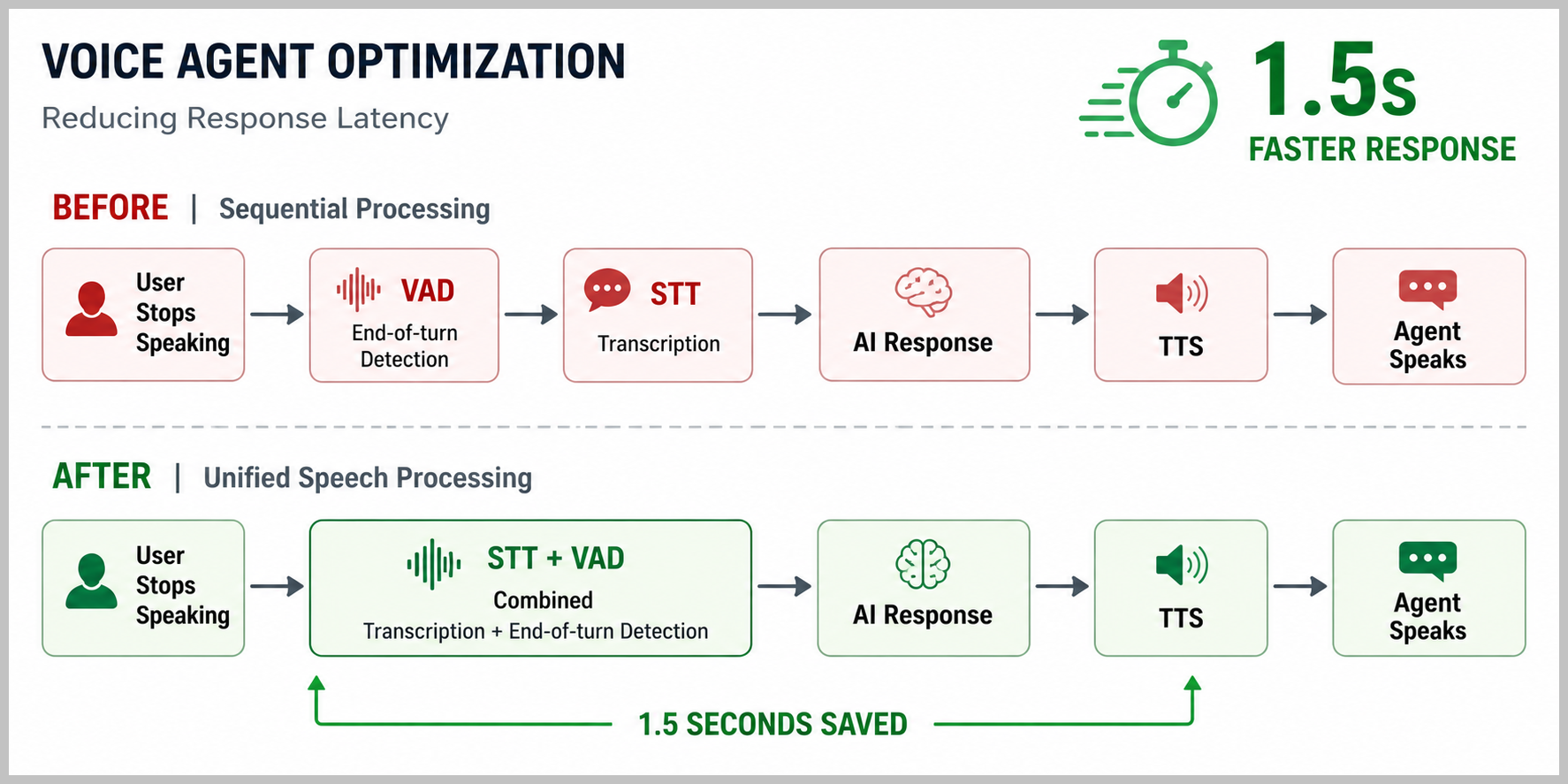
On-demand simulations had a significant latency gap between a user finishing speaking and the AI avatar responding, which broke conversational flow and undermined the sense of immersion the product depends on.
The delay had no single obvious owner — it was distributed across the speech, AI, and avatar layers — and any fix had to hold up in a live production pipeline rather than a lab benchmark.
I analyzed timestamped logs across the pipeline to isolate a 1.2-second delay caused by Voice Activity Detection settings. I first optimized that to 0.5 seconds, then migrated the speech-to-text stack to Deepgram Flux to take advantage of integrated VAD rather than carrying our own detection step.
Cut total response time by roughly 1.5 seconds, producing a consistently more responsive and conversational simulation experience for end users.

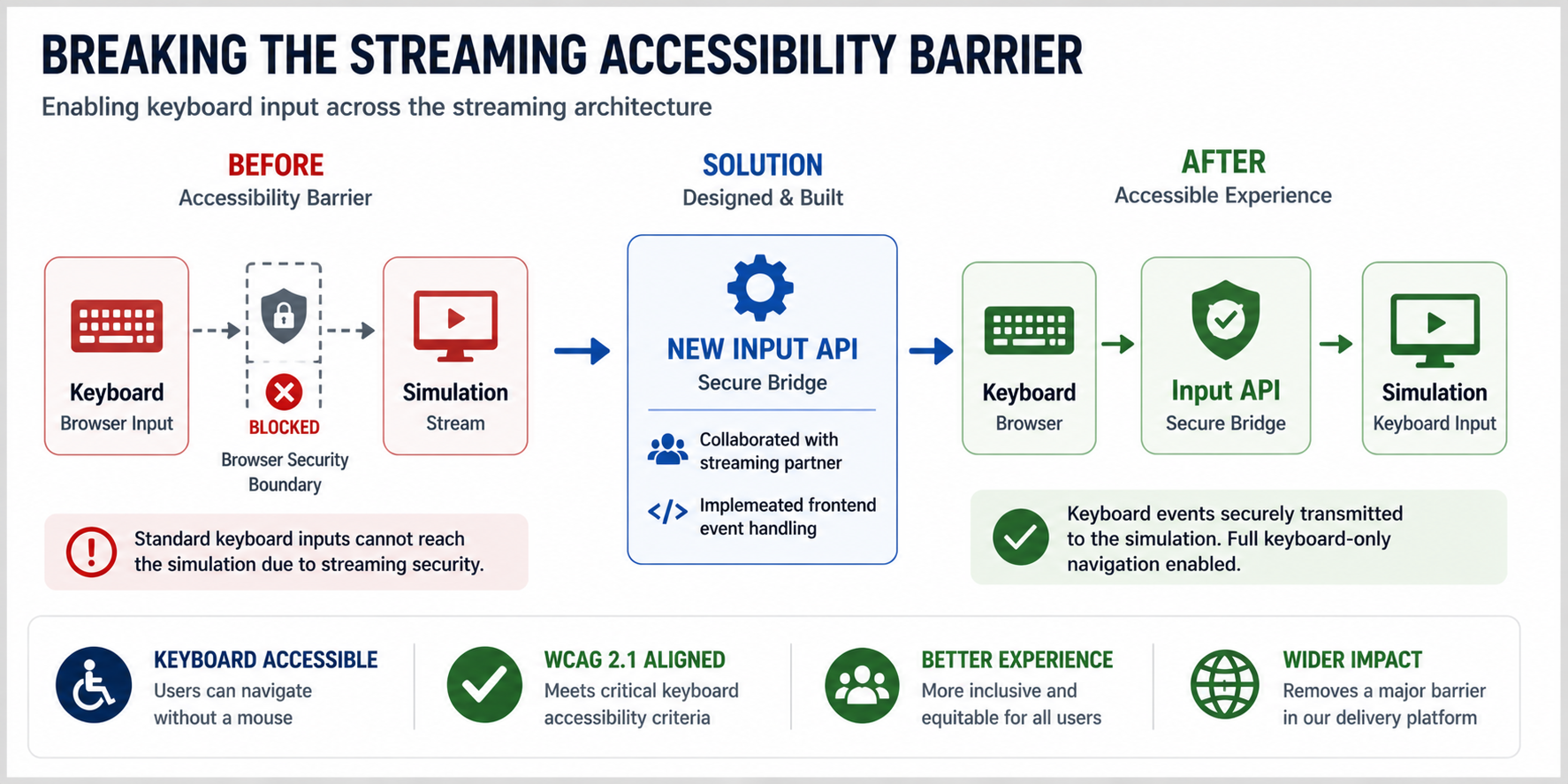
Mursion's streaming architecture created a browser security boundary that prevented keyboard input from reaching the simulation, blocking keyboard-only navigation entirely and leaving a significant accessibility gap in the product.
The blocker sat inside a third-party streaming layer we did not own, so the fix could not be implemented unilaterally — it required a vendor-side API change plus a client integration that preserved the existing security model.
I identified the boundary as the root cause, then partnered with our streaming provider to design and prototype a new API for securely forwarding keyboard input across it. I implemented the client-side integration to capture, transmit, and process those events inside the simulation.
Enabled keyboard-only interaction across all streamed simulations, removing a key accessibility barrier and bringing the platform into alignment with keyboard accessibility requirements under WCAG 2.1.

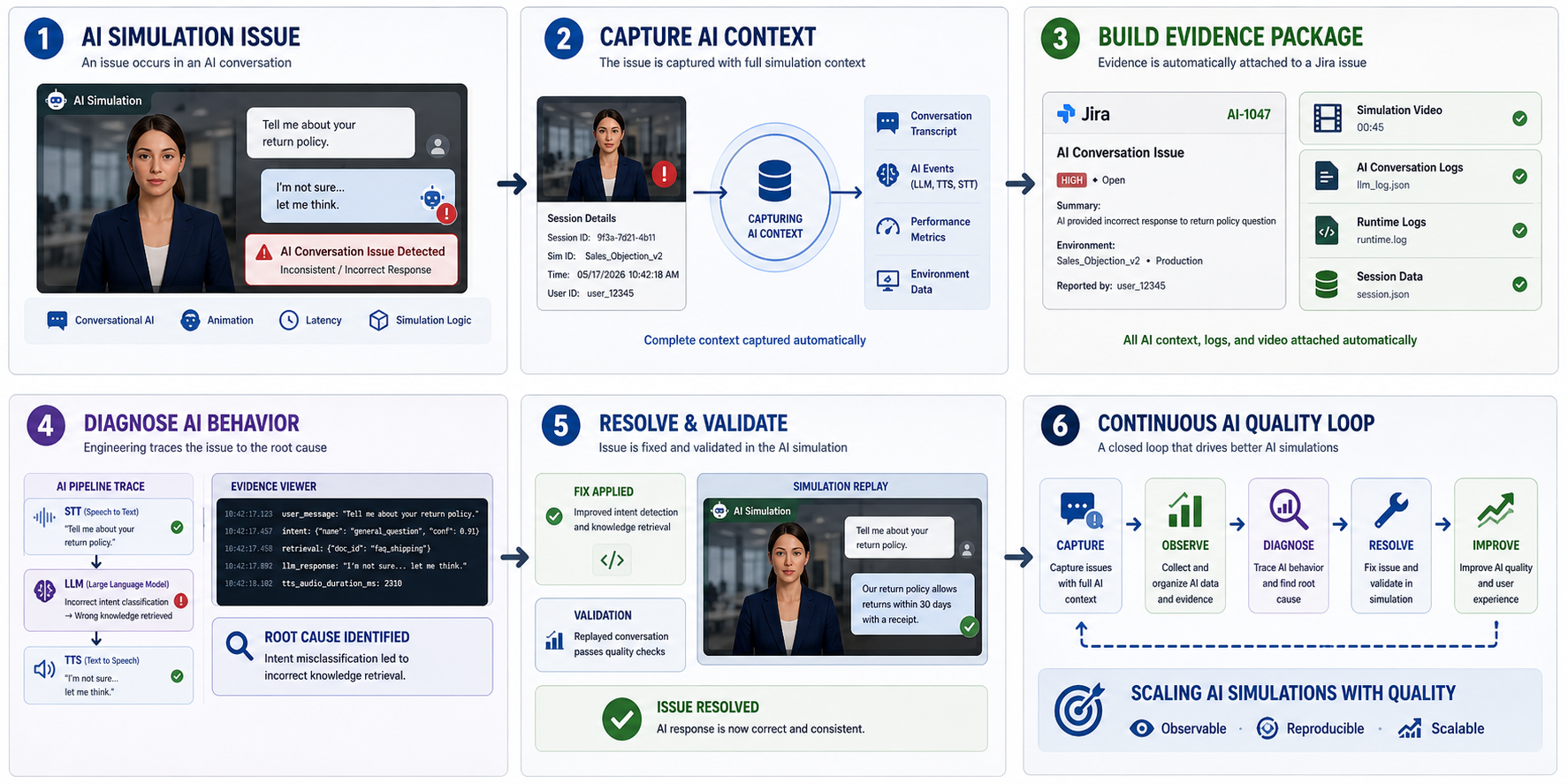
As AI simulations moved past the prototype stage, problems with conversation quality, animation, latency, and simulation logic became increasingly hard to reproduce. There was no systematic way to connect a user-reported issue to the AI logs, video, and runtime data engineers needed to find the cause.
Reports came from non-engineers mid-simulation, so capture had to be automatic and zero-friction. The system also had to be maintainable by QA rather than depending on me indefinitely.
I designed and built an in-simulation issue-reporting pipeline that automatically captures and attaches simulation video, AI traces, and diagnostic data to a Jira ticket — creating an end-to-end workflow from user report to engineering investigation. I owned and evolved it until it was mature enough to hand off to QA for ongoing operation.
Gave engineering and QA a repeatable way to capture, reproduce, diagnose, and resolve issues across AI simulations. That feedback loop moved the product from early prototype toward a reliable, scalable offering, and gave QA the tooling to independently own AI simulation quality.
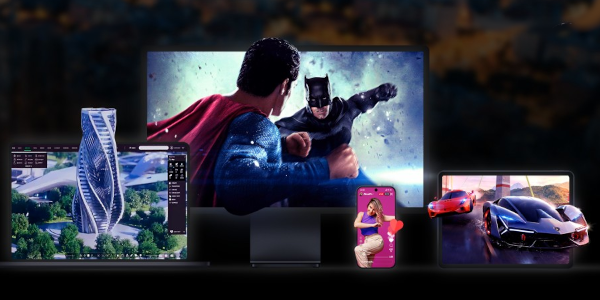
Leia Inc (now Immersity) builds 3D displays that work without glasses. I led the Unity SDK for five years, across an acquisition and a full architecture rewrite.

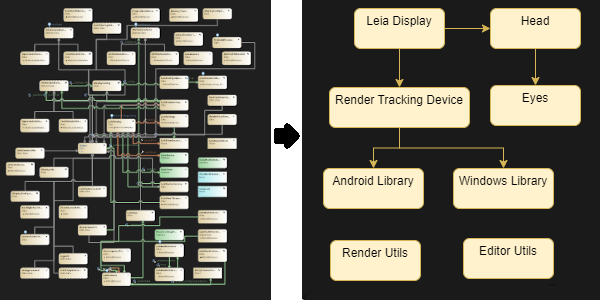
As Leia grew, the Unity SDK accumulated layers of logic to satisfy both legacy and new requirements. It had become increasingly difficult to extend, and technical debt was slowing every new feature.
The SDK was already shipping to external developers, so the rewrite had to preserve core functionality and avoid breaking existing integrations.
I redesigned the plugin architecture, consolidating 40 classes down to 8 without losing core functionality, then prioritized and mapped the remaining features for integration into the new structure.
Left the team with an SDK simple enough to reshape for future requirements without carrying forward old assumptions — which directly enabled the cross-platform unification work below.

After Leia acquired Dimenco, the company needed a single plugin that worked across all displays on both Windows and Android — two separate device APIs and firmware stacks inherited from two separate companies.
Maintaining two parallel codebases was not viable long term, and any unified design had to keep both product lines fully supported through the transition.
Building on the simplified architecture, I abstracted all device-specific logic behind a common interface and established two firmware communication streams behind it. I led the technical side of the merger integration.
One logic flow now serves every supported device on either operating system. Subsequent features shipped to both platforms with no code duplication.

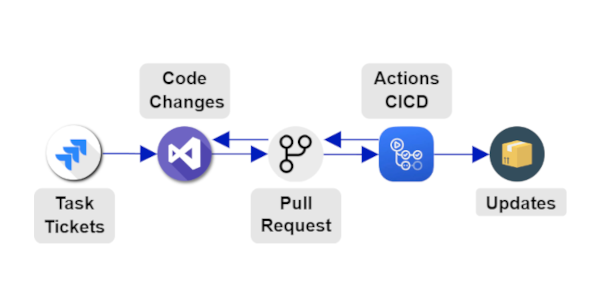
Unity SDK releases were ad-hoc. Breaking changes routinely shipped inside routine updates, and bugs were not caught before reaching developers.
The process had to work for a small team without dedicated release engineering, and had to be simple enough that any engineer could run a release unassisted.
I designed and rolled out the release process end to end: linking Jira tickets to branches and pull requests so context and code changes were traceable, standardizing the PR review workflow, adding CI test builds to verify PRs against core functionality, introducing daily standups for ticket review, and documenting the release and announcement process so anyone on the team could ship an update.
Smoother workflow across the whole team, bugs caught earlier in the cycle, and a materially more mature SDK. Release capability was no longer concentrated in one person.

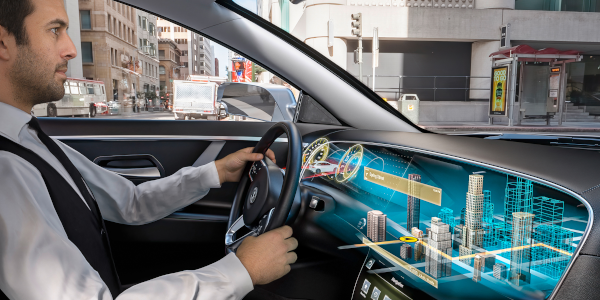
Automotive partners needed to evaluate rendering on experimental displays, but those devices had no official firmware support in our SDK — so no builds could target them.
Waiting on official firmware releases would have missed partner timelines, and the solution had to accommodate hardware configurations that changed between prototypes.
I built a process for pulling display configuration data from configurable JSON files, which let me produce working builds for experimental displays without waiting on firmware updates.
Enabled demos on automotive partners' experimental hardware and supported those partners with internal projects, keeping business relationships moving that would otherwise have been blocked on firmware.

The Leia Unity SDK only supported Unity's default render pipeline. Any content built with URP, HDRP, or post-processing simply would not work on our displays — excluding a large share of modern Unity projects.
Each render pipeline hooks into Unity differently, so support had to be added without forking the SDK per pipeline or regressing default-pipeline behavior.
I restructured the SDK to add the necessary hooks and interception points for Post-Processing, URP, and HDRP rendering paths.
Leia displays now work out of the box with all supported Unity rendering techniques, removing a hard adoption blocker for incoming developers.

Our plugins had several critical open issues that were affecting customer satisfaction and actively slowing adoption of the company's display technology.
The team had to clear the existing bug backlog, deliver client-requested features, and keep internal content releases moving — concurrently, with three engineers.
I led a team of three engineers, setting the goals and sequencing: fix user-reported bugs, ship client-requested features, and manage internal Unity plugin content releases against our quality bar. I drove milestones and timelines and mentored the team through the architecture changes.
The team resolved every identified bug within projected timelines and shipped several features that meaningfully improved the SDK's functionality and developer experience.

Industry partners and business stakeholders needed demos running on devices that were not available on the market, including experimental automotive hardware.
Each request came with different hardware, different partners, and no established path to a working build.
I served as the technical point of contact — scoping each project's real needs, translating between business stakeholders and engineering, and unblocking whatever stood between the partner and working content.
Leia built stronger relationships across multiple industries and sustained support for experimental devices it otherwise could not have demonstrated.

Leia had no standardized way to tell external developers about SDK updates, and no reliable channel for their feedback to reach the engineering team.
This had to run alongside my engineering work, so it needed to be a repeatable process rather than an ad-hoc time sink.
I established the full loop: worked with marketing to produce clear feature communications, monitored and engaged the developer forums on a daily cadence, built a systematic approach to gathering and categorizing bug reports and feature requests, and set up regular meetings to bring that feedback to the development team for prioritization.
Turned the developer community into an active input to product direction, connecting real user feedback to engineering priorities.

Leia set out to launch its marketstore with over 40 games. The titles varied widely in complexity, engine, and audience, each requiring its own approach to porting, testing, and release.
The work spanned multiple external publishing partners on a fixed launch timeline, with quality standards that had to hold across every title.
I owned the program end to end: built the project plan and milestone tracking across all titles, established regular communication with each publishing partner, worked with QA to define a rigorous per-title testing protocol, created a structured process for routing update requests and bug reports back to publishers, and coordinated launches as titles cleared QA.
All 40+ games were ported, tested, and launched within the projected timeline.
Games, healthcare, education, enterprise simulation, automotive, and public sector — different industries, the same engineering approach.

Shipped one codebase to three very different runtimes — HoloLens, ARKit, and WebGL — letting Neumatic Digital's customers preview customizable furniture in their own space on any of them.
Project Overview →

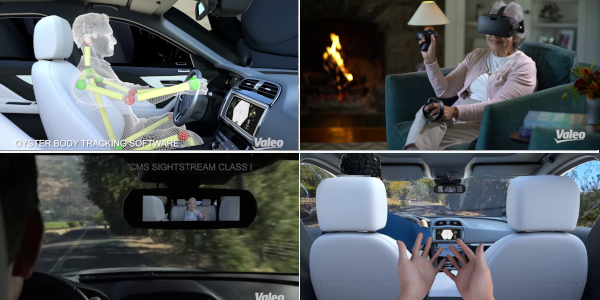
Adapted self-driving car technology — cameras, motion sensors, and AI software — into a real-time VR passenger experience. I took it from a rough technical demo to a polished client presentation in 5 weeks.
Project Overview →An AR training application that walks non-medical personnel through administering disaster relief intervention, built on the IBM Watson toolset. Won the hackathon award for Best Use of IBM Watson.
Project Overview →

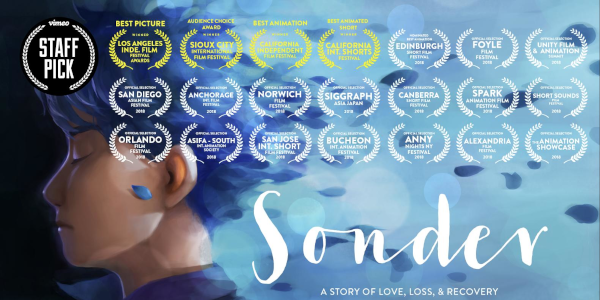
One of the first animated films rendered in Unity. I consulted during early R&D — building cinematic pipeline tools, prototyping Unity's pre-alpha Timeline system, and giving structured feedback that shaped its development direction.
Project Overview →
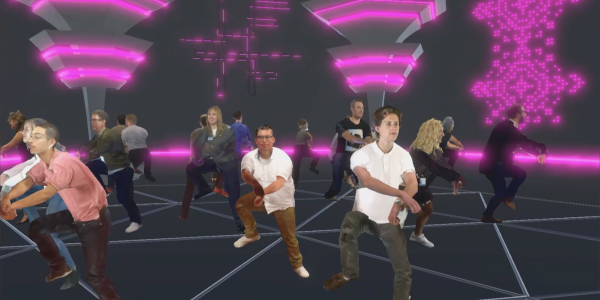
Built an end-to-end pipeline that 3D scanned guests on site, then rigged, animated, and composited them into a music video played live at the event — all within the event's own timeline.
IFTF Emerging Media Lab →
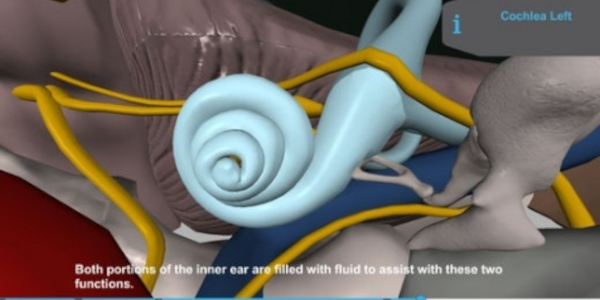
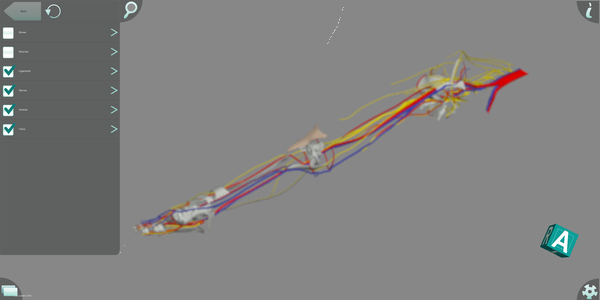
An anatomy viewer built around the actual workflows of anatomy professors, replacing static slide decks with a real-time 3D exploration tool. Designed and developed end to end.
Stanford Clinical Anatomy →
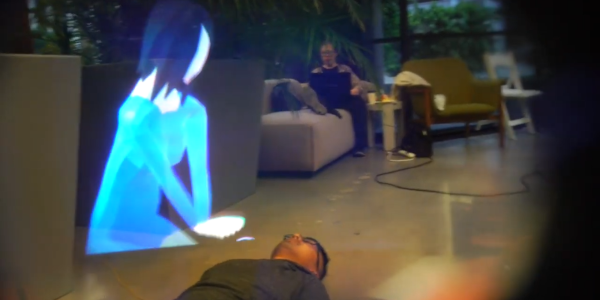
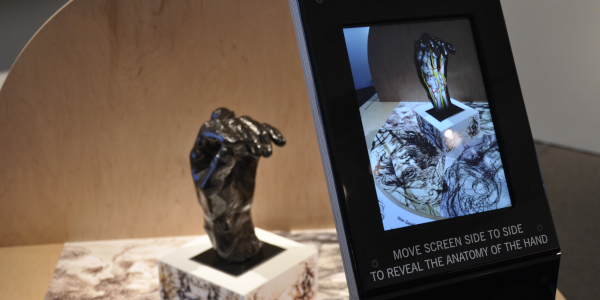
An AR exhibit at Stanford's Cantor Museum using image-based tracking to give visitors an X-ray view into Rodin's sculptures. Featured on Al Jazeera America.
News report →
Interactive VR anatomy lectures built for Stanford Clinical Anatomy, replacing static textbook content with spatial, explorable 3D environments. Designed and developed end to end.
Stanford Clinical Anatomy →
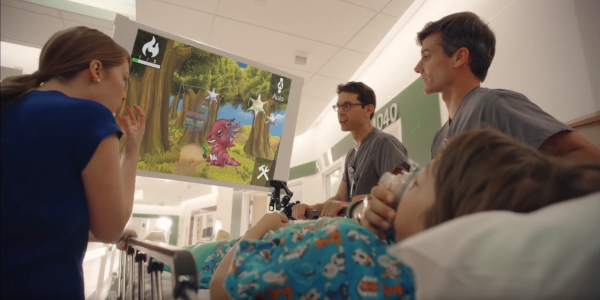
A stress-reduction game for Stanford Medicine Children's Health that helps pediatric patients stay calm before surgery. I handled programming, art sourcing, music integration, and owned the full project timeline. Later featured in an NBC report and a Super Bowl commercial.
Super Bowl commercial →
A 2018 Oculus Launchpad Award-winning experience that teaches neuroscience concepts to anyone, regardless of prior background. Developed within a cross-disciplinary team of artists, sound engineers, and production specialists.
Find it on the Oculus Store →
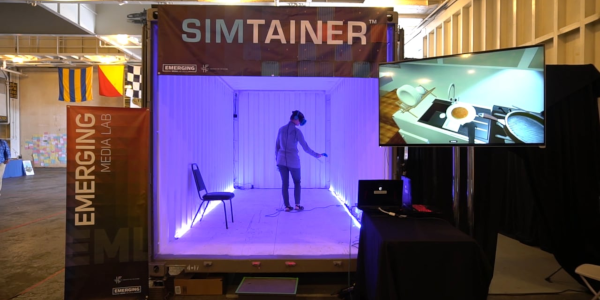
A simulation exploring alternative uses for shipping containers — housing, medical bays, and urban farming. I built and programmed the application, authoring multiple simulation narratives with Unity's Timeline system.
Project Overview →
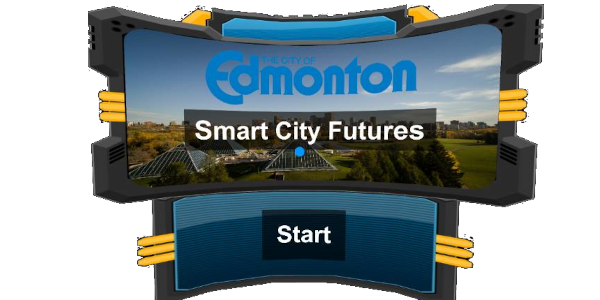
A community engagement tool for the City of Edmonton visualizing smart city infrastructure options. I programmed the application and coordinated directly with city planners and designers.

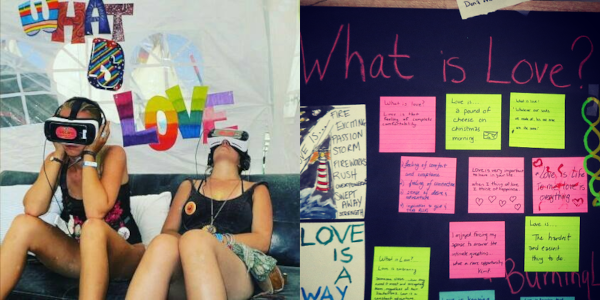
A Burning Man art project combining VR with live interactive exercises. I was the sole developer — responsible for all Unity development, hardware setup, and on-site deployment in a hostile-to-hardware environment.

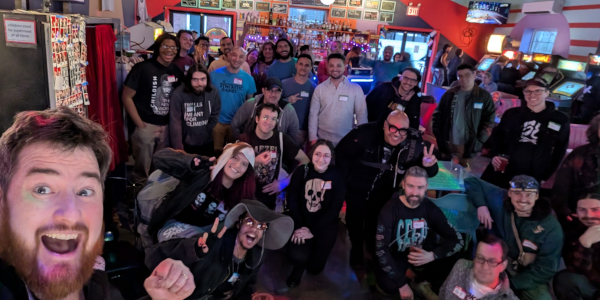
I run Game Creators Hudson Valley, a community for game developers, artists, and enthusiasts across the Hudson Valley — a place to meet collaborators, learn new skills, and build games together. Open to all skill levels, from students and hobbyists through working professionals, with talks, demos, game jams, and networking.

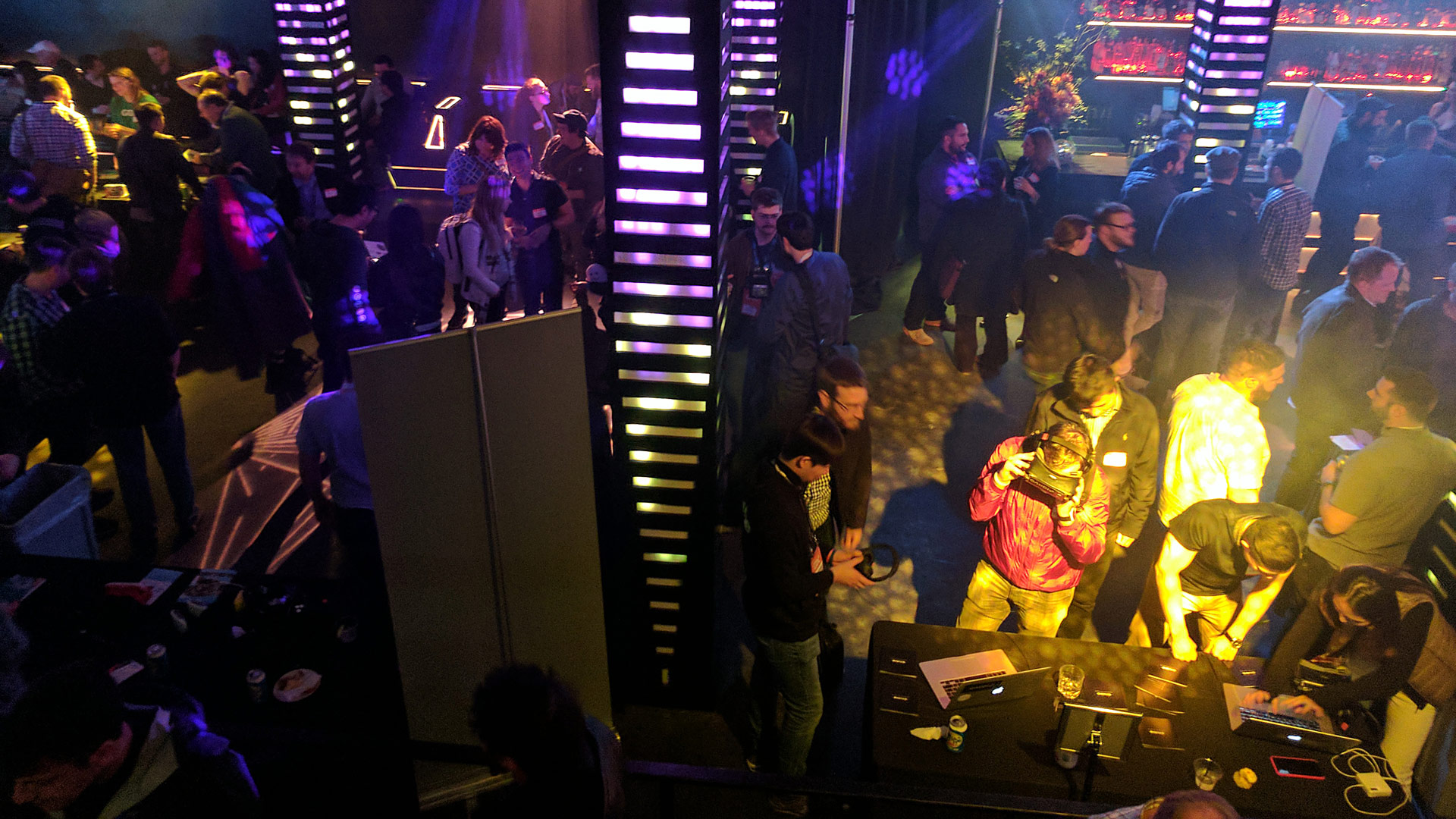
A community meetup bringing VR/AR developers, creators, and enthusiasts together to explore emerging immersive technologies, share projects, and connect across the industry — hands-on demos, technical discussions, and knowledge sharing across the XR community. I grew from volunteer, to managing staffing for GDC after-events, to running full events.

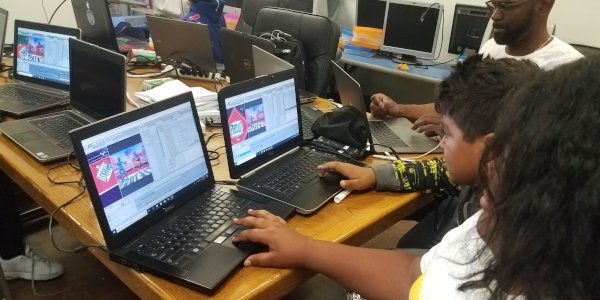
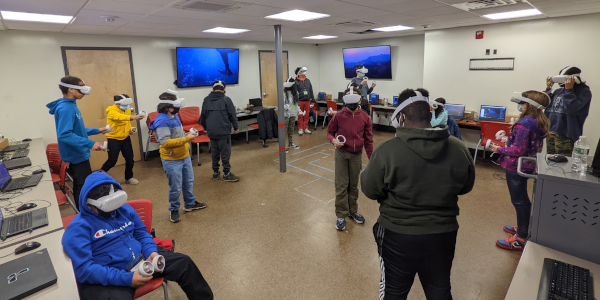
The Newburgh Armory Unity Center's "Prosperity Through Education" program offers free Saturday enrichment classes for the community. I created and continue to teach an introductory Unity3D and VR development class.
Class Overview →
A summer program preparing underserved West Oakland youth for careers in technology and innovation. I created the program and coordinated guest mentors from the tech industry each week.
DeVry University
–
See Featured Engineering Work above for detailed case studies from this role.